6 Tips on How to Launch a Successful Retargeting Campaign
Here are six tips for savvy marketers on how to launch a successful retargeting campaign that boosts cart recovery rates.
Read More

With shrinking budgets, you’re looking for all the ways to cut costs and consolidate bills to save some coin. How can you do that without decreasing advertising efficiencies or sacrificing customer experience?
The answer is a strategically designed multichannel approach created with the customer journey in mind, from brand discovery to clicking Confirm Purchase. The next step in the strategy is combining the powers of each ad channel.
Let's go through what these channels are and how to make them work together for a stronger ad strategy.
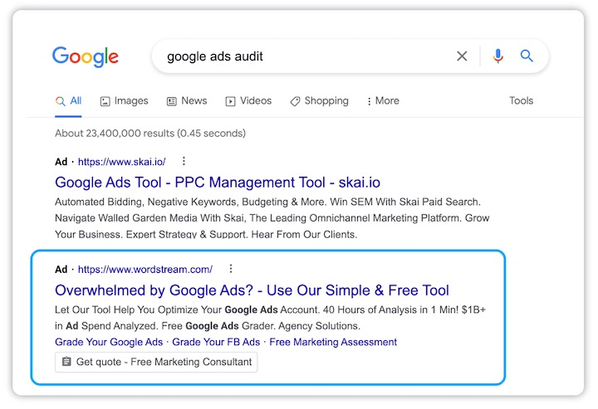
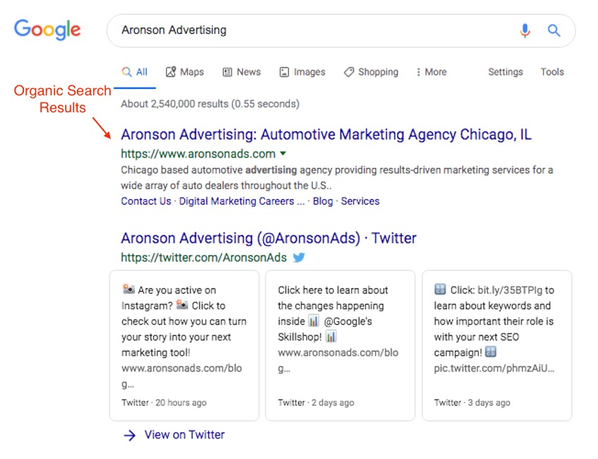
Paid search (also known as Search Engine Marketing or SEM) ads are ads that target your top-of-funnel by appearing in a variety of placements on a Search Engine Results Page (SERP). Unlike the search results that take up most of the page, these search ads are a paid strategy. Paid search ads are run on search engines like Google and Bing.
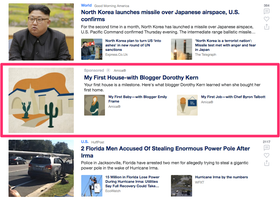
Designed to blend into the editorial content on your website or app, native ads have higher click-through rates than their static image display counterparts. Native ads rely on AI to continuously optimize by cycling through different image, title, and description combinations to find the highest performing ad sets.
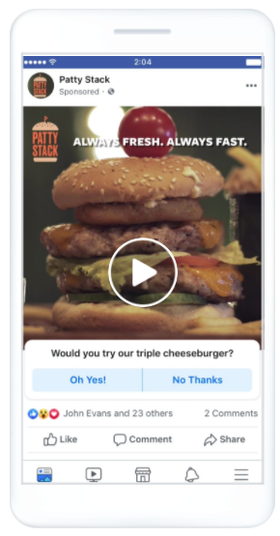
Communicate a large volume of information in a short amount of time. Video ads drive interest, showcase product features, and connect with your audience in a more interesting or meaningful way. Popular forms include in-stream (your ad plays 2 minutes into a video view) and out-stream (your ad plays before the video view) video ad placements on websites and mobile apps.
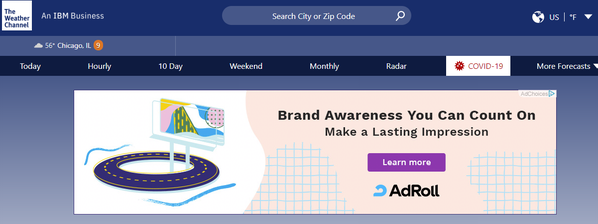
Display ads, also known as banner ads, are the workhorses of the internet. Available in a range of sizes, your ads can be static (image, headline & call-to-action text) or incorporate movement and sound by using HTML5 rich-media.
CTV ads are video ads within internet-connected streaming devices, like gaming consoles, smart TVs, or Roku devices. These ads have high attention and can target an entire household with one ad.
Digital-out-of-home (DOOH) ads are digital screens that can programmatically update in real-time. Advertisers can run DOOH ads as part of their programmatic ad campaigns.

Prospecting ads feed your marketing funnel with campaigns that familiarize new shoppers with your brand and drive site traffic. Large data sets of customer intent power these types of ad campaigns.
Retargeting Ads help you stay in front of prospects who are already aware of your brand to generate conversions and revenue. Then, target existing customers to drive loyalty through repeat purchases and cross-sales.
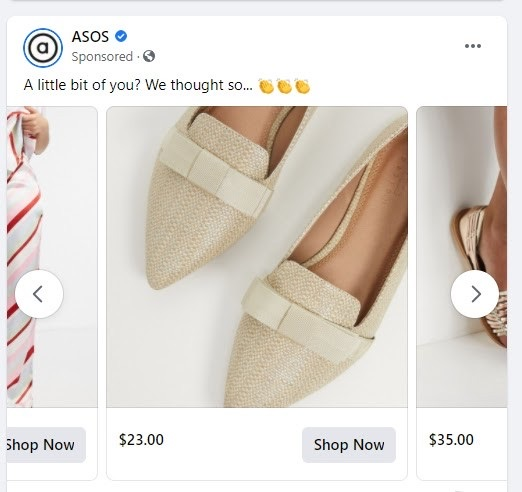
Imagine yourself scrolling through TikTok and stumbling upon an advertisement for a new pair of headphones. You click the video ad to check out the headphones’ features and price, but decide you aren’t going to purchase it right away. Later on, you begin to stumble upon more ads for the same pair of headphones on other platforms, a native ad on a news site or a display ad on a mobile app you use.
The original ad you viewed on TikTok was a prospecting ad, an ad designed to grab your attention and familiarize you with the product. The other ads you were viewing across the different social platforms were retargeting ads, ads designed to bring you back to the headphones’ website so you would purchase the product.
Paid search ads are an important tool also as many people who view a native, video, or display ad will open a browser tab, go to a search engine and type in a product name which takes you directly to the cart page for purchase.
In collaboration with one another, these different types of ads work to create a cohesive strategy that’ll attract people’s attention and bring them back to the headphones’ website to complete their purchase. It’s important to note how effective this strategy can be once all the different ad types are working together.
As you advertise your business, it’s important to know where to start to help you meet your marketing objectives. An effective strategy is using a mixture of prospecting, search, and retargeting ads. Here is a simplified step-by-step guide to help your business create an ad strategy incorporating all three ad types:
Define your target audience based on demographics, interests, and behaviors.
Curate prospecting ads guaranteed to grab shoppers’ attention and introduce them to your business.
Implement search ads to help target shoppers that are actively searching for products or services your business offers.
Design retargeting ads that remind people who have previously visited your business’ website about your products or services and encourage them to take action.
Monitor your ads’ performance and adjust your marketing strategy as needed based on key metrics like click-through rates and conversion rates.
Visitors from search are more likely to convert than non-searchers and generally spend more on purchases than non-searchers. Give these high-quality visitors ample opportunity to buy with display and social retargeting campaigns that remind them of their intent and build familiarity with the value you offer.
Get started with a combined search and retargeting strategy:
Identify keyword themes and general intent that drive strong results.
Build audiences segmented based on those themes. Methods for defining audiences can include product pages visited, strings in URL queries on landing pages, adding items to a cart, or entering a checkout process.
Match display and/or social ad creative to the intent of those segmented audiences. Think about adding elements that add an emotional hook like a sense of urgency, FOMO, social proof/group inclusion or possibly promotions. Make sure that you do not convey desperation or poor inventory management from your side when using elements like discounts or limited supply.
Include triggers for both entrance into your audiences and exit from them. For example, add a shopper to an audience when she looks at a shoe page, but trigger removal from that audience if she purchases.
Good ad strategies require clear targeting. Some companies choose to go niche for high-intent shoppers while others go broad for greater awareness. The key is to not target so niche that you lose a portion of your audience.
You can play with segmenting audiences by time as well. For example, you might create two campaigns to target the same audience, but one campaign runs to people that visited in the last three days but have not returned, while the other only targets those that visited more than three and fewer than fourteen days ago. This type of effort generally will require a high volume of visitors to work.
Pay attention to viewer frequency so you can avoid reaching a point where you simply annoy visitors. You can lower viewer frequency by adjusting your budget to account for your audience size or by setting frequency caps if the setting is available.
AdRoll uses includes programmatic ad networks, ads that automatically purchase and sell ad space on different websites. These networks use algorithms to decide which ads to display to which people in real time, meaning that AdRoll can display ads to people who are more likely to be interested in what the brand is selling in a timely manner.
Programmatic ad networks help AdRoll achieve better results from their ad campaigns because they can reach a wider audience and ensure brands are being displayed to the right audience at the right time. Plus, due to its automation process, AdRoll can save not only time, but also money, while still achieving great results for our clients.
Don’t miss out on all the opportunities for your ad strategy. Use our platform to show up on high-impact channels and check out an AdRoll demo today.
Last updated on April 30th, 2026.